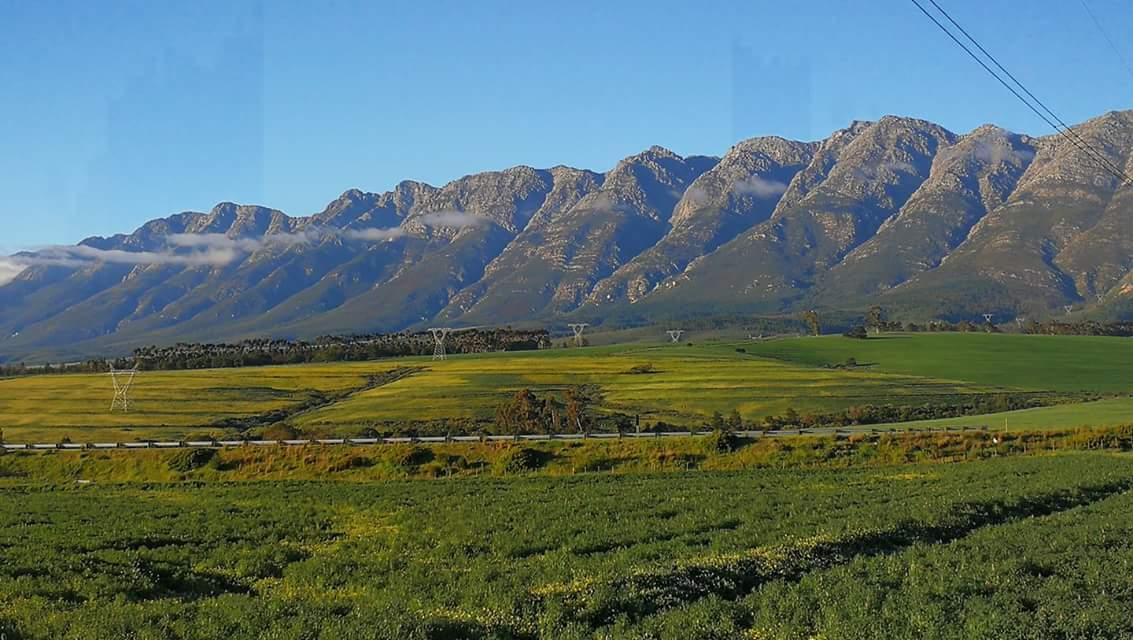

This was one of the agreements reached at the conference on “Resolving the Land Question: Land redistribution for equitable access to land in South Africa,” held at the University of the Western Cape earlier this month.








This was one of the agreements reached at the conference on “Resolving the Land Question: Land redistribution for equitable access to land in South Africa,” held at the University of the Western Cape earlier this month.
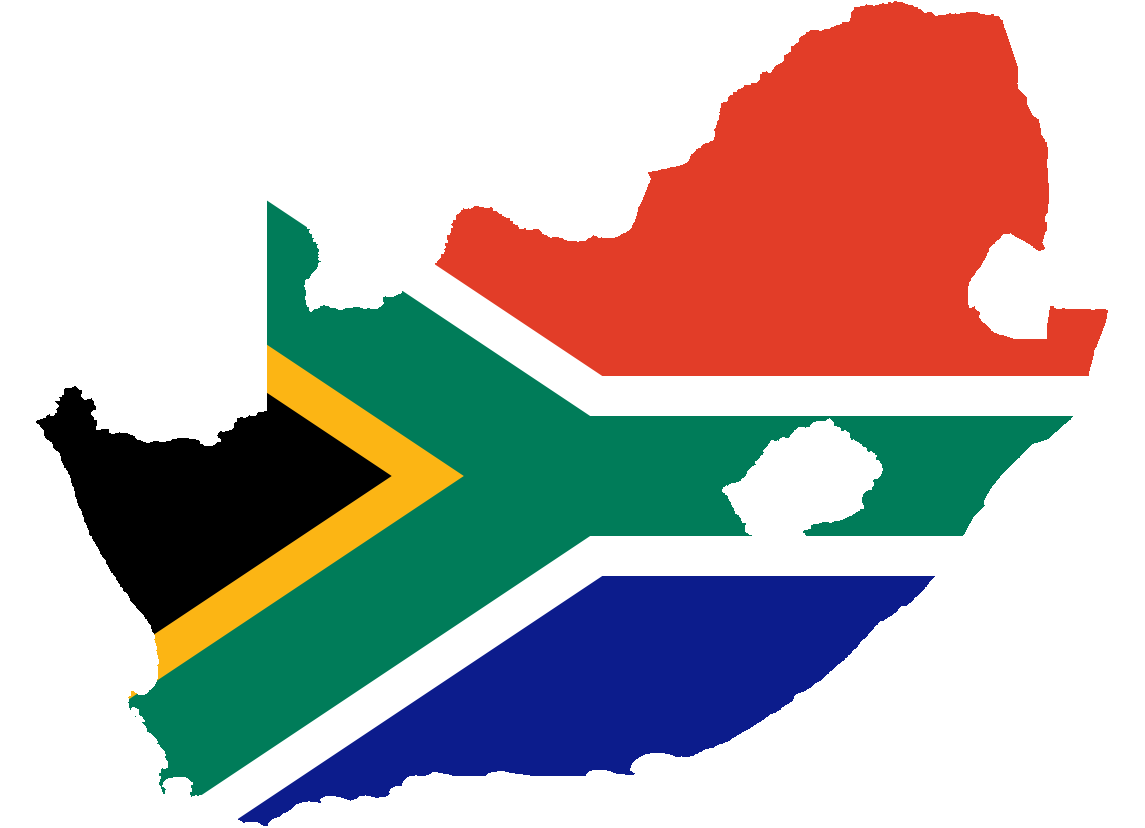
The land reform dear to South African President Cyril Ramaphosa is not only of concern to white farmers. As large landowners, mining groups are also afraid of paying the price of a massive and unbridled redistribution of land.
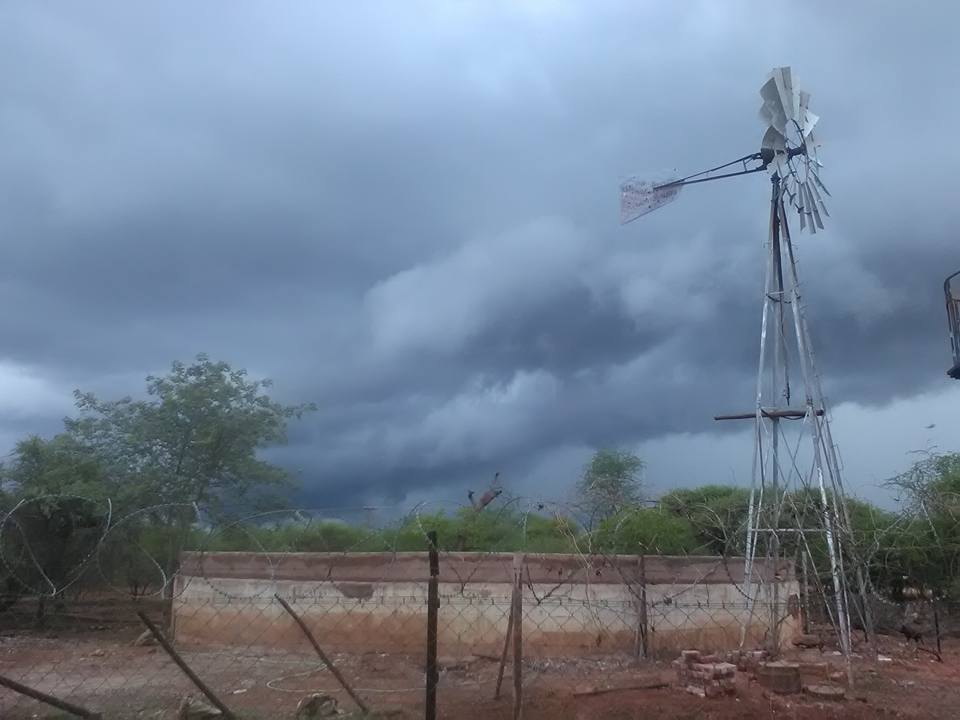
South Africa is among a handful of countries that experience winter rainfall in some areas and summer rainfall in others. The southwestern tip of the country has a Mediterranean climate, with hot dry summers and cool wet winters. This is because mid-latitude cyclones migrate further north during winter, allowing the edge of the cold front arm to sweep across the southern most part of the country.
The Expropriation Bill of 2019 was published in December last year for public comment. People might be surprised to find out that we had an Expropriation Bill in 2008 that was shelved, that there was a lesser known attempt in 2013 and that the 2015 bill that was published, went through four negotiated versions, and was almost passed before it was sent back to the National Assembly due to presumably concerns about public participation on provincial level.
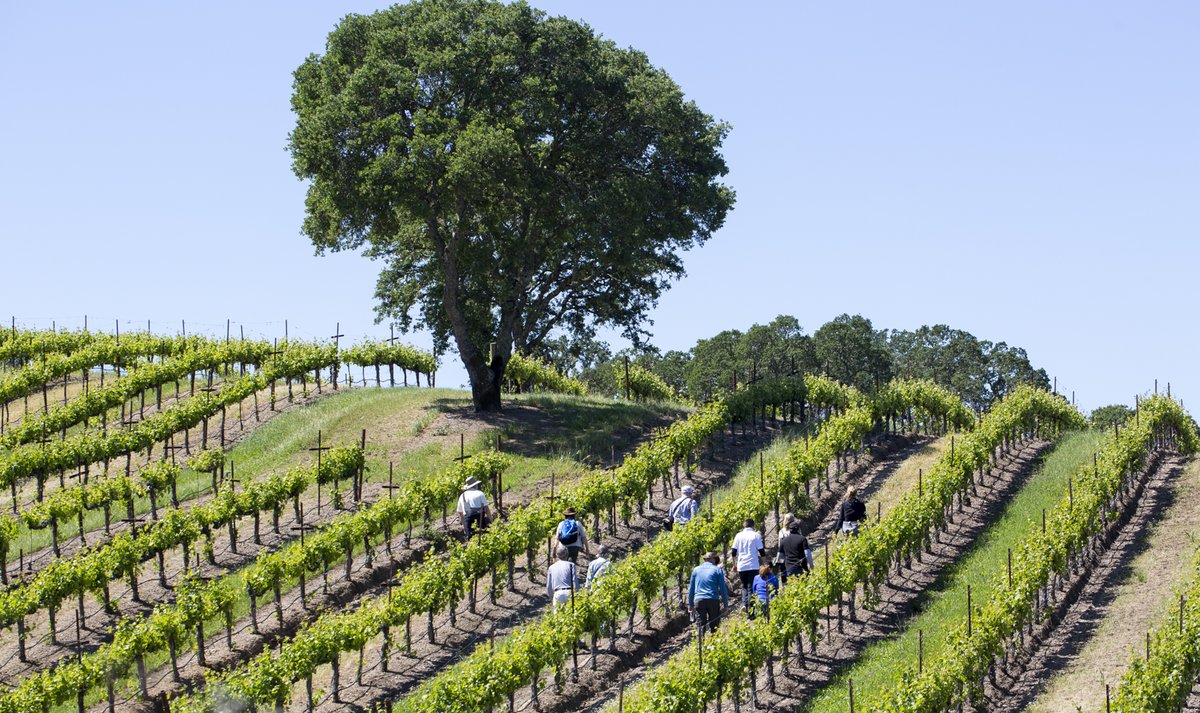
On the first day of his five-day Summer School course, Professor Lungisile Ntsebeza painted a grim picture of how the country's laws have been used to empower, and conversely, disempower South Africans regarding land.
South Africa’s ranking in the 2018 Index of Economic Freedom has improved, with the country ranked fourth in the Africa region and seventy-seventh out of 180 countries globally, reports Heritage Foundation.