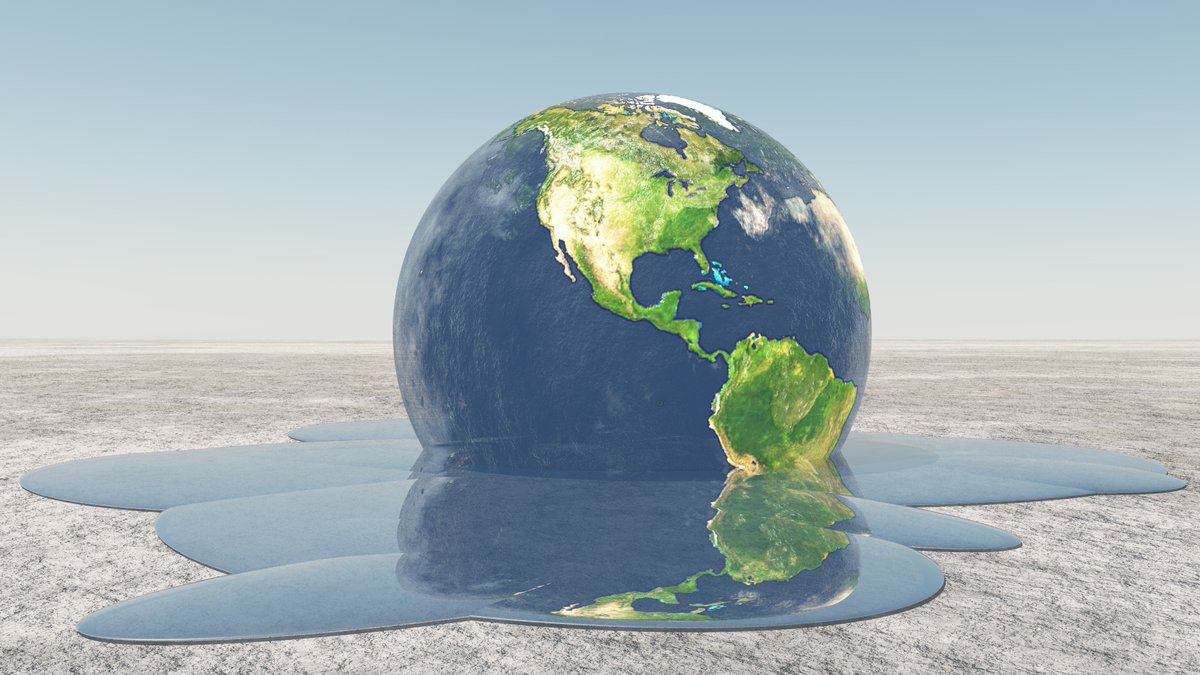

Ongoing conflicts and dry weather conditions remain the primary causes of high levels of severe food insecurity, hampering food availability and access for millions of people, according to the Crop Prospects and Food Situation report issued today.








Ongoing conflicts and dry weather conditions remain the primary causes of high levels of severe food insecurity, hampering food availability and access for millions of people, according to the Crop Prospects and Food Situation report issued today.

As the UN climate change summit in Paris enters its final scheduled day, delegates from 196 countries are desperately trying to hammer out a deal, which could fundamentally alter the future of the planet.
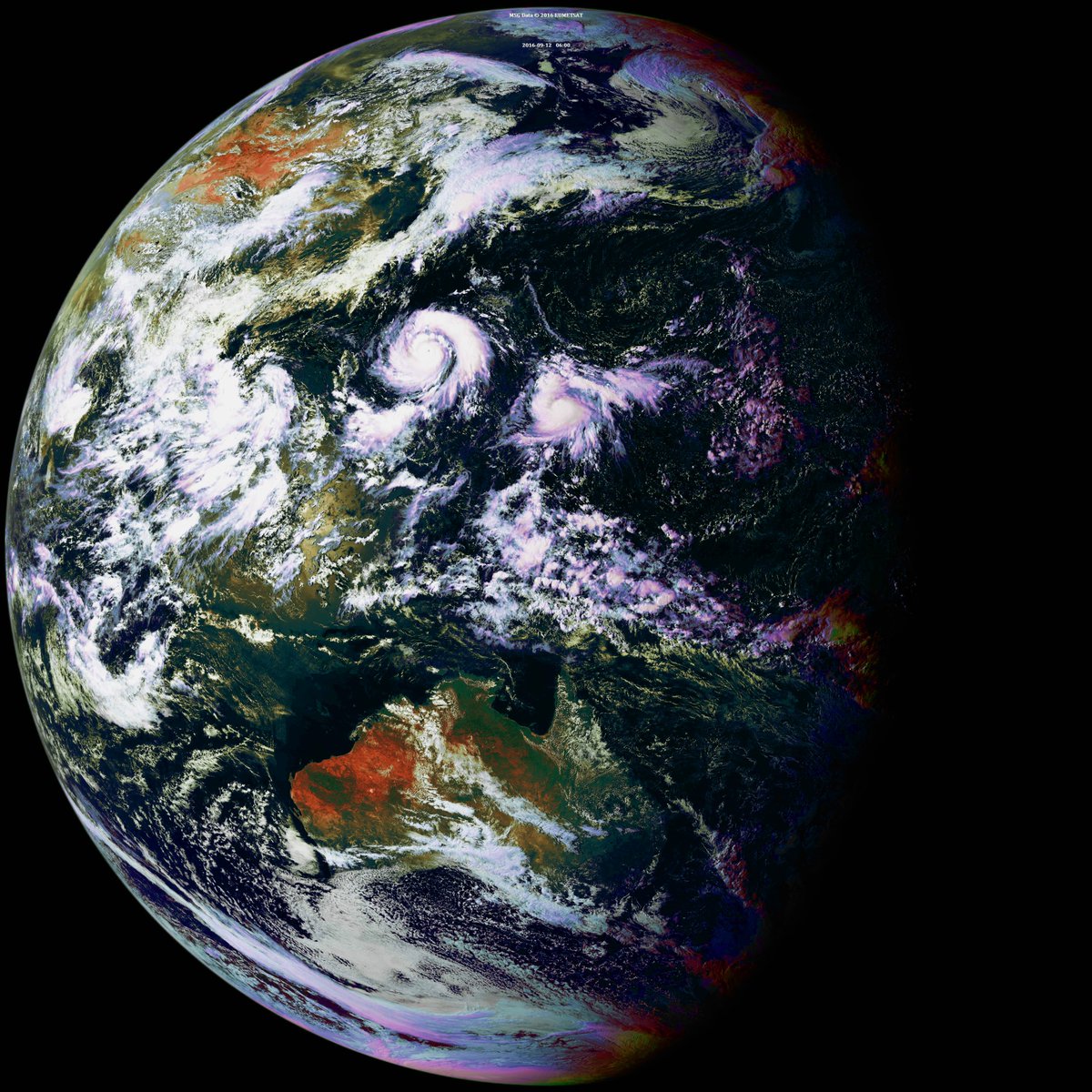
When Amanda Little was on tour to promote her 2010 book Power Trip: The Story of America’s Love Affair with Energy, she discovered something unusual. Despite the book’s focus on fossil fuels, her audience was overwhelmingly interested in one specific chapter – the one about food production.
Mainland Europe has sweltered for days under record-breaking temperatures, prompting researchers to try to untangle how much of the heat wave can be linked to climate change. A report on that, by an international consortium of scientists called the World Weather Attribution Network, is expected to be released on July 2.
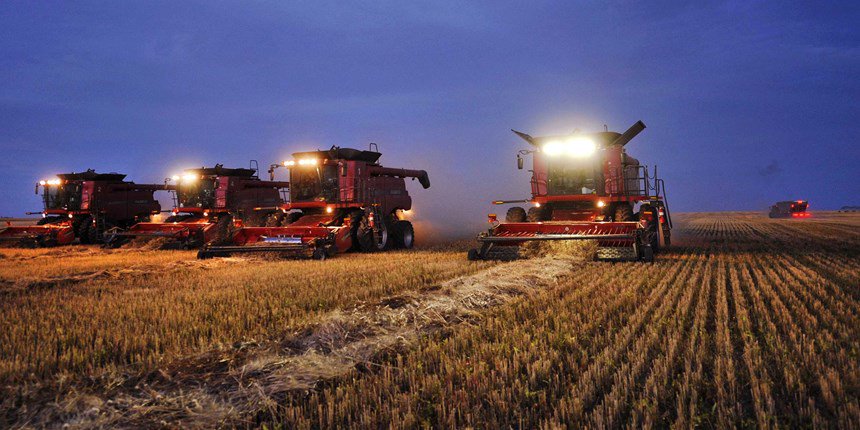
The first question at the end “Responses to Our Changing Climate,” was one farmers have been asking for months: “What is causing all of this rain, and when will it end?”
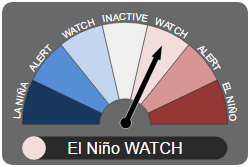
El Nino is still present but may change to neutral in coming winter months and summer of 2019/20. Probable late start to summer rain again. More favourable for Winter Rainfall Regions in next months.