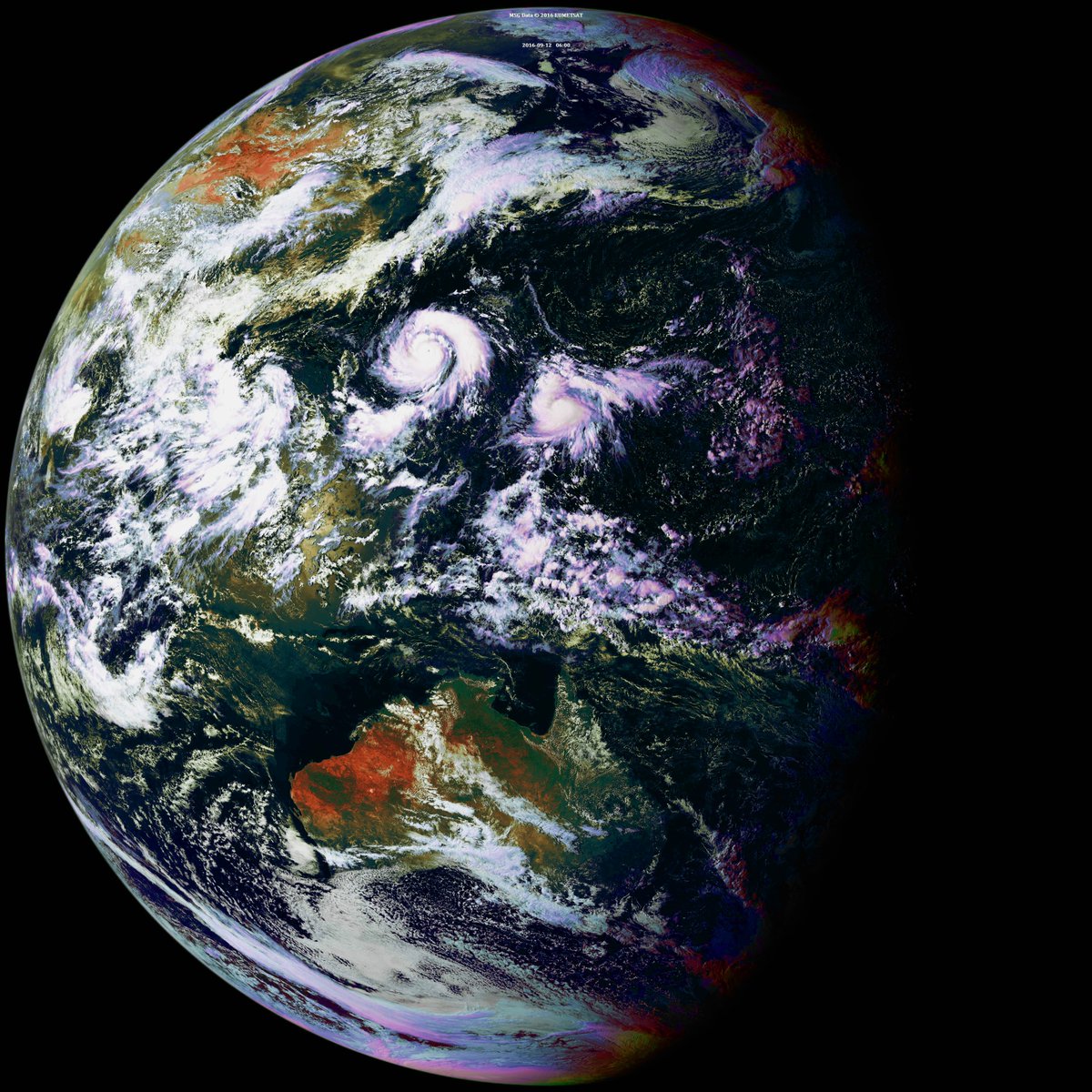

The last two decades saw the number of disasters caused by extreme weather nearly double to 6,681, up from 3,656 between 1980 and 1999, according to a report issued ahead of the International Day for Disaster Risk Reduction on Oct. 13.








The last two decades saw the number of disasters caused by extreme weather nearly double to 6,681, up from 3,656 between 1980 and 1999, according to a report issued ahead of the International Day for Disaster Risk Reduction on Oct. 13.

Once upon a time there was a British newspaper that believed in free markets and limited government. Not any more. The Economist now favours ‘re-wiring’ the world’s economy, through carbon taxes, regulation, subsidies, pricing, and other government interventions.
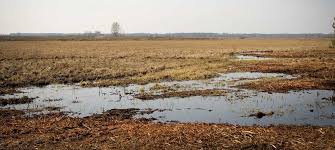
Protecting intact peatlands and restoring degraded ones are crucial steps if the world is to counter climate change, European researchers said.
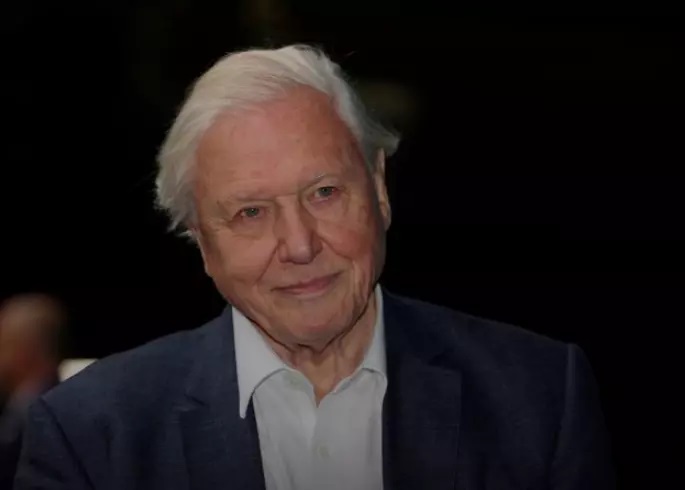
British broadcaster David Attenborough on Wednesday led a campaign by conservation groups for the world to invest $500 billion a year to halt the destruction of nature, saying the future of the planet was in “grave jeopardy”.

To prevent severe climate change we need to rapidly reduce global greenhouse gas emissions. The world emits around 50 billion tonnes of greenhouse gases each year [measured in carbon dioxide equivalents (CO2eq)].

As the world warms and the atmosphere becomes increasingly fertilised with carbon dioxide, trees are growing ever faster. But they’re also dying younger – and overall, the world’s forests may be losing their ability to store carbon. That’s the key finding of our new study, published in the journal Nature Communications.