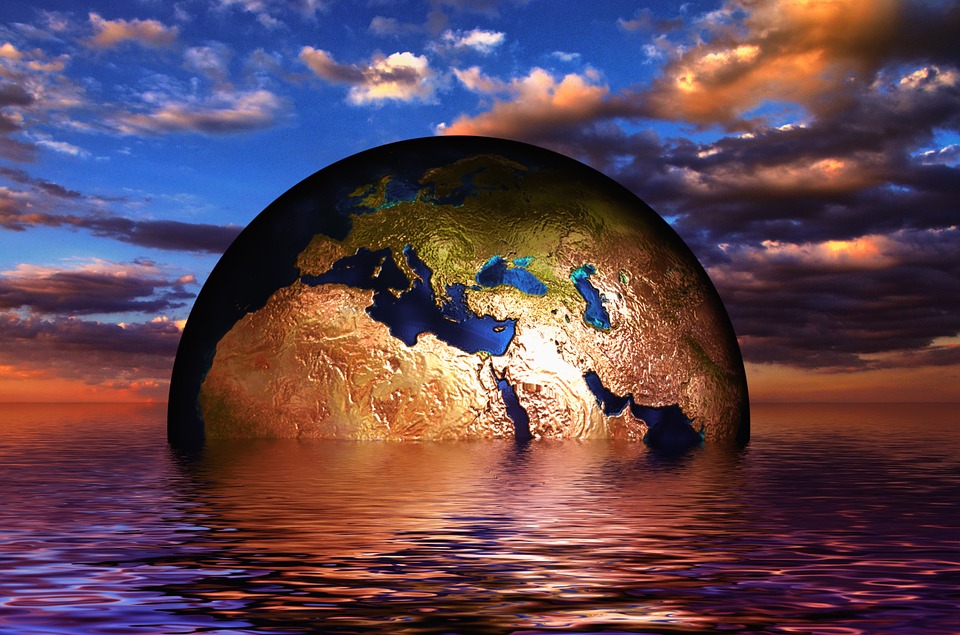

Scientists are observing changes in the Earth’s climate in every region and across the whole climate system, according to the latest Intergovernmental Panel on Climate Change (IPCC) Report, released today.








Scientists are observing changes in the Earth’s climate in every region and across the whole climate system, according to the latest Intergovernmental Panel on Climate Change (IPCC) Report, released today.
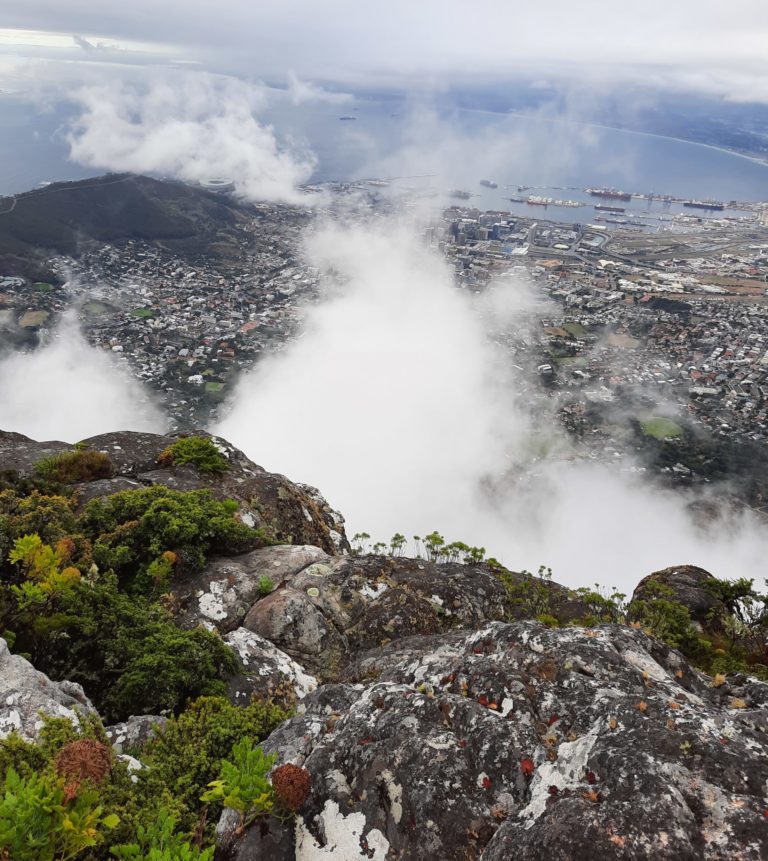
When smoke rises from wildfires in the western United States, it pummels clouds with tiny airborne particles.
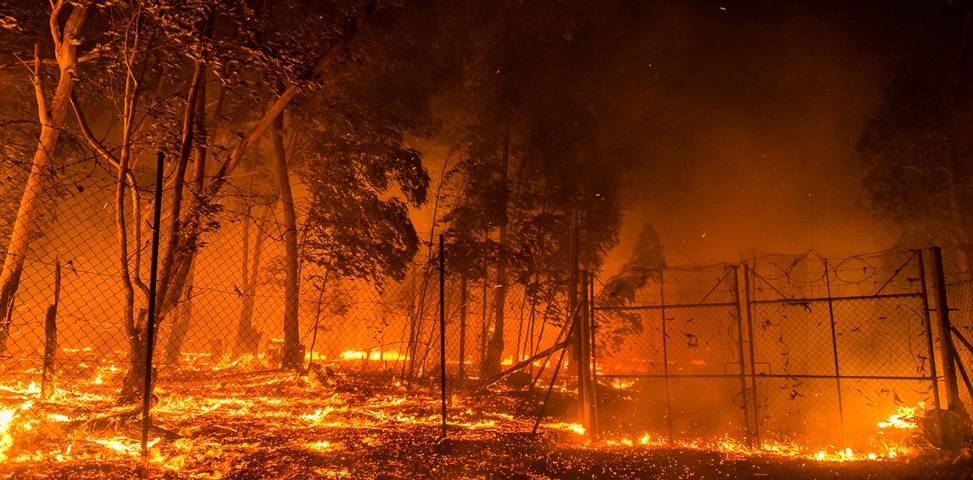
Wildfires burn millions of acres of land every year, leaving changed landscapes that are prone to flooding. Less well known is that these already vulnerable regions can also intensify and in some cases initiate thunderstorms.
In the 2015 Paris climate agreement, 195 nations committed to limit global warming to two degrees above pre-industrial levels. But some, like Eelco Rohling, professor of ocean and climate change at the Australian National University’s research school of earth sciences, now argue that this target cannot be achieved unless ways to remove huge amounts of carbon dioxide from the atmosphere are found, and emissions are slashed.
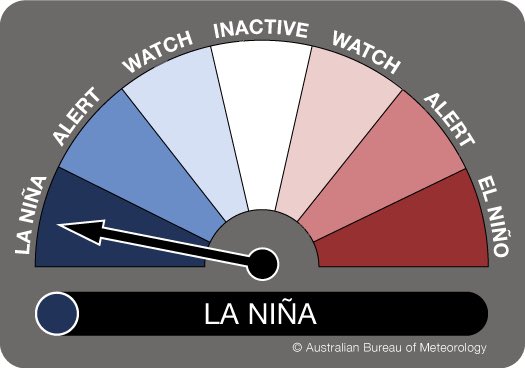
A recent assessment by climatologists at the Global Change Institute (GCI) at the University of the Witwatersrand indicates an increasing likelihood that the taps in Gauteng are going to run dry sometime in the 2030s or the 2040s if global heating continues unabated.